Stores



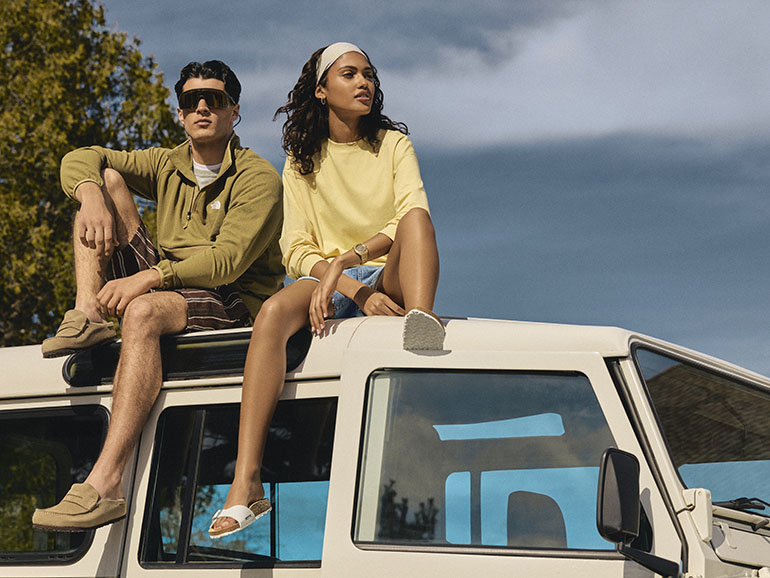
Our modern social media obsession has made us think we need more to go camping than you actually do. A trip to enjoy the great outdoors doesn’t need luxury tents, designer lanterns and better cooking setups than you have at home. Your first camping trip doesn’t require expensive equipment or years of outdoor experience; it just requires some thoughtful packing.
Whether you’re planning a weekend of camping in Algonquin, pitching a tent in the Rockies or escaping to your local provincial park, dressing for changing weather and packing versatile gear will take you far. If you’re still deciding where to go, Parks Canada’s camping guide has helpful information on choosing a campground, making reservations and what to expect on your first trip.
A solid tent, comfortable camping clothes, dependable camping footwear and a handful of practical accessories will make a far bigger difference than the latest gadget. Much like packing for the cottage, paddleboarding, or hiking the best outdoor gear is designed to move between activities. Packing pieces that can do whatever your day brings means less to carry and more time enjoying everything our Canadian summers have to offer.
What Should You Pack for Your First Camping Trip?
For your first camping trip, focus on six areas: shelter (i.e. a tent), a comfortable sleeping bag, layered clothing, supportive footwear, lighting and a few practical accessories. Once those basics are covered, you can add comfort items depending on where you’re camping and how long you’ll be away.
One of the biggest mistakes first-time campers make is thinking they need to own everything before they spend a night outdoors. In reality, a successful weekend is simply about bringing the equipment you’ll actually use. It also helps to understand what kind of camping you’re doing. If you’re car camping, you’ll have the luxury of packing a little more comfortably. You’re parking close to your campsite, so bringing an extra blanket, a comfortable camp chair or a larger cooler isn’t a burden. That’s very different from backpacking, where weight really should be taken into account.
As you camp more often, you’ll naturally discover what deserves a permanent place in your gear collection. Maybe that’s a better sleeping pad, a more compact stove or a warmer insulated jacket for shoulder-season trips. Your first weekend, though, is just about learning what you like.
What Should You Wear Camping?
The best camping clothes are lightweight, breathable and easy to layer. Choose versatile pieces that dry quickly, regulate temperature and feel comfortable.
Knowing what to wear camping starts with understanding that you’ll probably experience several seasons in a single day. Even during the height of summer, cool mornings can quickly give way to hot afternoons before temperatures drop again after sunset. Rather than packing a different outfit for every scenario, build your wardrobe around pieces that work together.
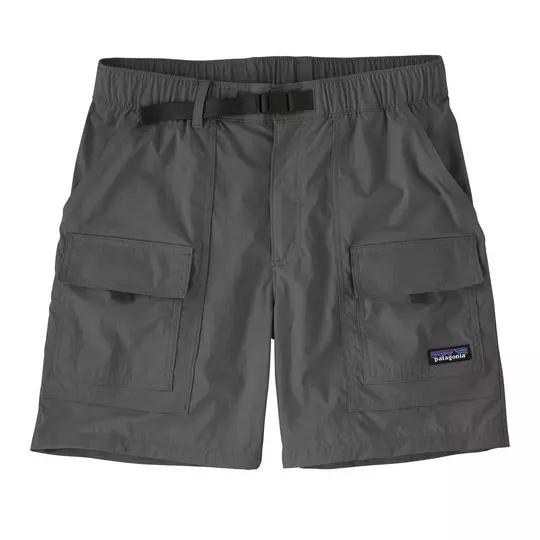
Quick-drying T-shirts, lightweight hiking pants or shorts and a comfortable fleece will cover most summer camping trips across Canada. Technical fabrics are especially useful because they wick moisture away from your body, dry much faster than cotton and continue to feel comfortable if you’re caught in an unexpected shower or work up a sweat collecting firewood or hiking to a nearby lookout.
That doesn’t mean you have to overdress like you’re going deep into the backcountry. One of the biggest changes in outdoor apparel over the last decade is how versatile it’s become. Performance shirts are easy-wearing in most settings while modern hiking pants are cut more like everyday trousers than the bulky cargo styles many people still associate with camping.
Cotton is fine for sitting around the campfire, but be careful, as once it gets wet (from rain, sweat or morning dew) it dries slowly and loses much of its insulating ability. Lightweight synthetic fabrics or merino wool are far better choices because they continue performing even after hours outside.
If you’ve already invested in clothing for hiking, paddling or weekends at the cottage, chances are much of it belongs in your camping bag as well. The best camping clothes aren’t designed for one activity—they’re designed for everything a day outdoors might throw at you.


Why Is Layering So Important for Camping?
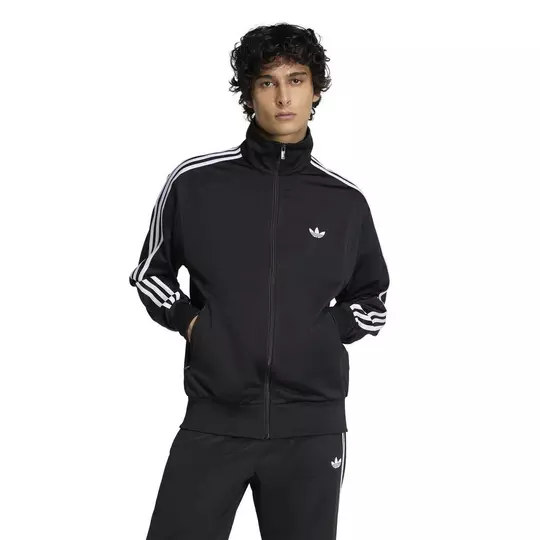
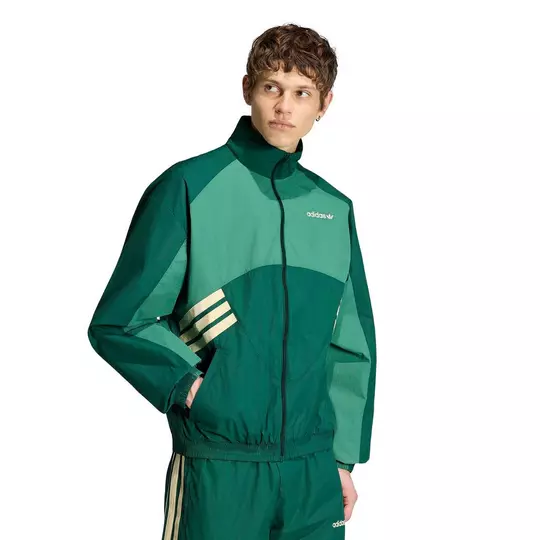
The easiest way to stay comfortable while camping is by dressing in layers. A simple three-layer system—a moisture-wicking base layer, an insulating mid-layer and a weather-resistant outer shell—will help you adapt to changing temperatures without overpacking.
Canadian summers can be unpredictable. You might wake to crisp air and mist rising off the lake, spend the afternoon in shorts and a T-shirt, then find yourself reaching for an extra layer as soon as the sun disappears behind the trees. Rather than packing bulky clothing for every possible forecast, a layering system lets you adjust throughout the day.
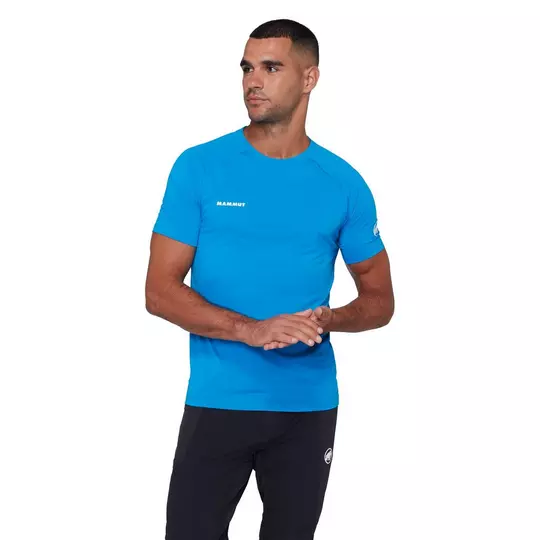
Start with a lightweight base layer. Whether it’s a technical T-shirt or a merino wool top, this layer sits closest to your skin and is designed to move moisture away from your body. You’ll likely wear it while setting up camp, heading out for a hike or cooking breakfast. Because it dries quickly, it’s also far more comfortable than cotton if you get caught in a passing shower or work up a sweat on the trail.
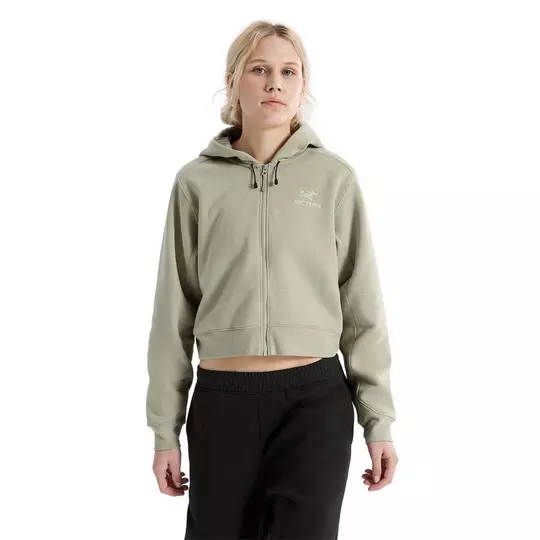
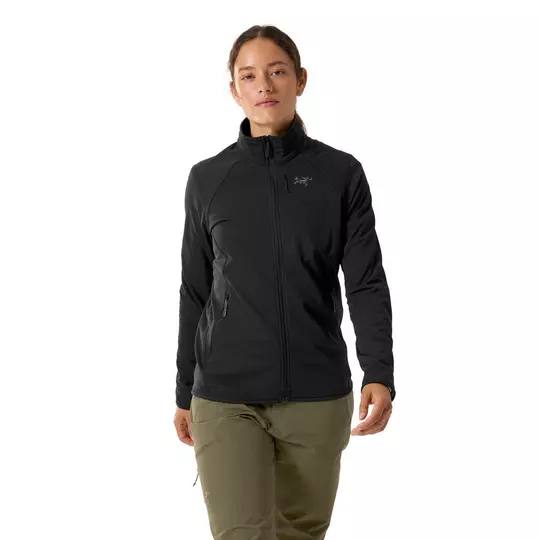
Next comes your insulating layer. For most summer camping trips, a fleece is hard to beat. It’s lightweight, breathable and warm enough for cool mornings or evenings around the campfire without adding unnecessary bulk to your pack. If you’re camping at higher elevations or heading out in early spring or fall, a lightweight insulated jacket offers even more warmth while still packing down small.
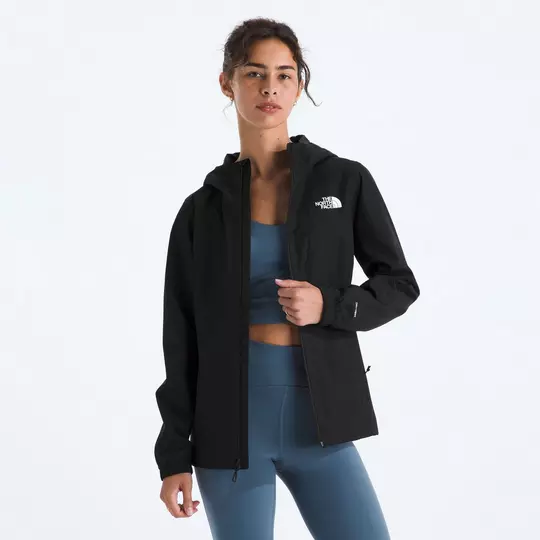
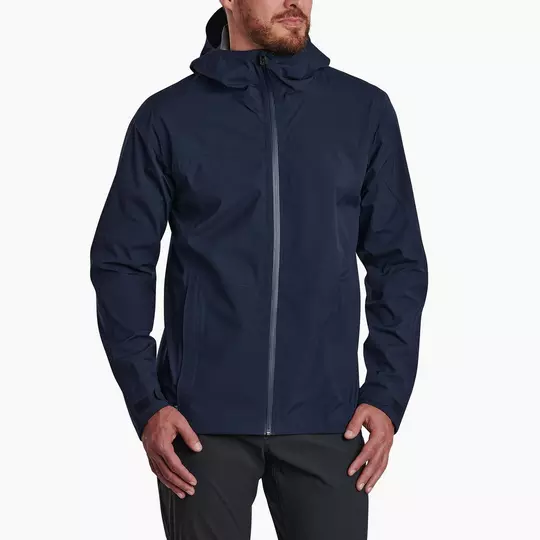
Finally, bring a waterproof shell or lightweight rain jacket. Even if the forecast looks perfect, weather can change quickly, especially in the mountains or near large lakes. A packable shell takes up very little space but can make the difference between heading back to camp comfortably and spending the rest of the day in damp clothing. It also works as a windbreaker on breezy mornings or while paddling across an open lake.
Base layer


Fleece
What Camping Footwear Do You Need?
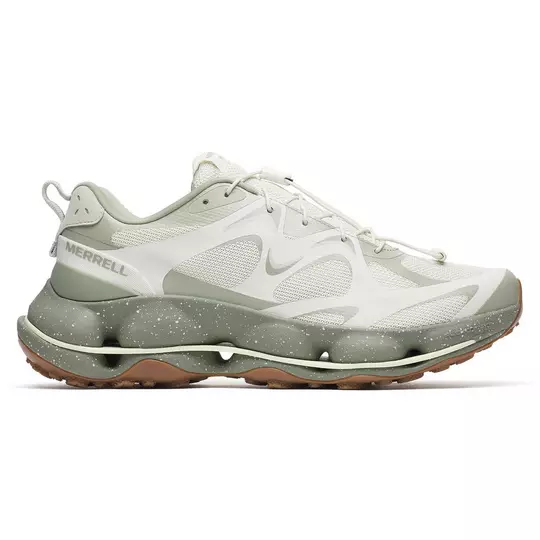
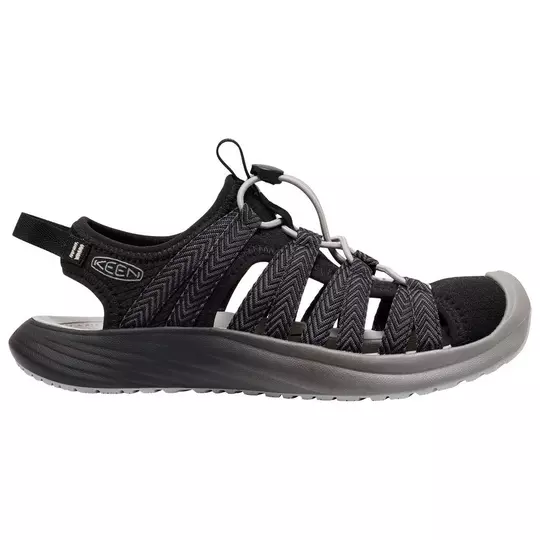
Most first-time campers only need two pairs of shoes: supportive footwear for exploring and comfortable camp shoes for relaxing around the campsite. The right combination will keep your feet comfortable from the first hike of the day to the last log on the fire.
Comfortable shoes quickly become one of the most valuable pieces of gear you bring. If you’re a hiker, then obviously a supportive pair of trail runners or hiking shoes is usually the best place to start. Trail runners have become increasingly popular because they’re lightweight, breathable and comfortable straight out of the box, making them a great choice for well-maintained trails and casual weekend camping. Hiking shoes offer more structure and protection underfoot, particularly if you’ll be walking over rocky terrain or carrying a heavier daypack.
Once you’re back at camp, however, you’ll appreciate having something easier to slip on. Sandals or camp shoes give your feet a chance to breathe after a long day outdoors. Basic flip-flops are fine, but we’d recommend something with a secure heel strap and a grippy outsole, which are better for uneven ground or slippery docks.
And don’t forget to pack the right socks. Moisture-wicking hiking socks help regulate temperature, reduce friction and dry much faster than everyday cotton pairs. Packing an extra set is one of the simplest ways to stay comfortable after an afternoon hike or an unexpected rainstorm. What’s more luxurious than a fresh pair of socks before settling into your camp chair for the evening?
One final tip: don’t let your camping trip be the first time you wear new footwear. Spend a few walks breaking them in any new shoes before you head into the woods. Nobody wants a weekend away dealing with blisters.


Which Camping Equipment Is Actually Worth Packing?
Sleep Comes First
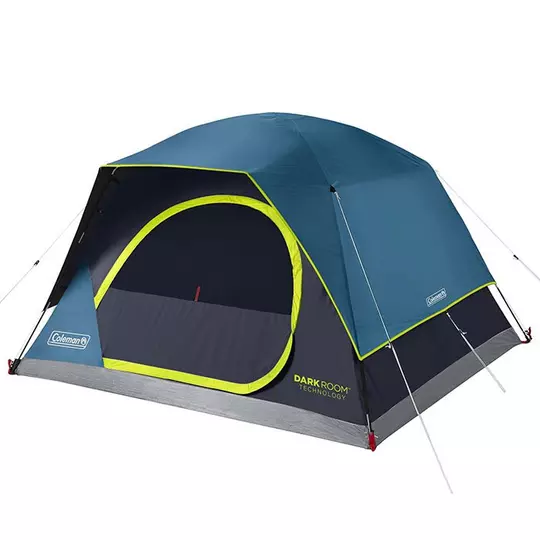
Just like at home, a good night’s sleep can be make or break, so this is where it’s worth investing first. Start with a tent that’s easy to pitch and comfortably fits your group—if you’re car camping, a little extra space is always welcome.
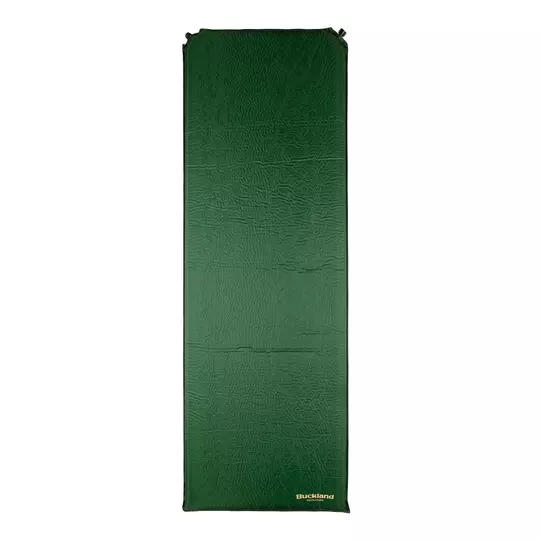
Pair it with a sleeping bag suited to the temperatures you’ll be camping in, and don’t overlook a sleeping pad. It doesn’t just add cushioning; it also insulates you from the cold ground, making a noticeable difference even on mild summer nights.
Make Camp Feel Like Home
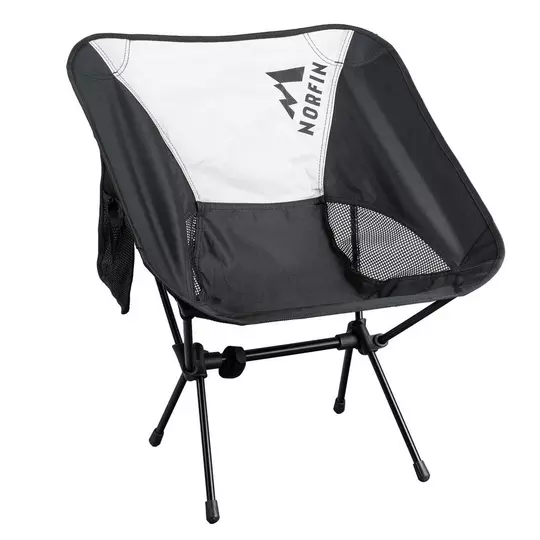
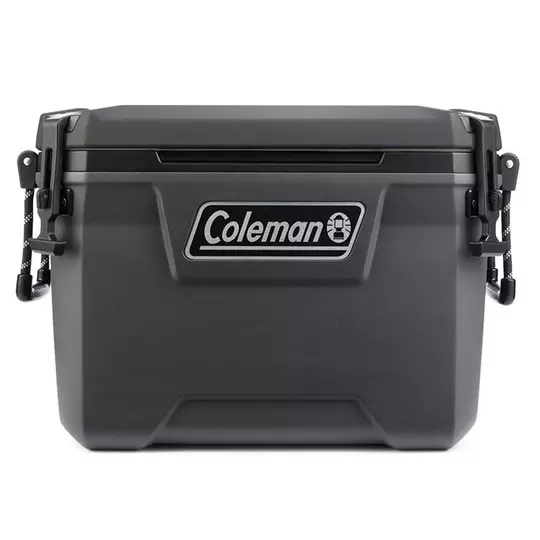
Once your tent is up, it’s the little comforts that make a campsite feel inviting. A camp chair quickly becomes the most-used piece of gear you own, whether you’re easing into the morning with a coffee, reading by the lake or gathering around the fire after dinner. If you’re car camping, a folding camp table is another worthwhile addition, giving you extra space to prep meals, play cards or keep your gear organized. And while it might not seem glamorous, a dependable cooler goes a long way toward making camp meals feel less like survival and more like a weekend getaway, keeping everything from breakfast ingredients to post-hike drinks fresh throughout your trip.
Don’t Forget the Little Things
It’s often the smaller items that transform your camping experience. They’re the pieces you reach for repeatedly throughout the day.
A headlamp is one of those items you’ll wonder how you ever camped without. Unlike a flashlight, it keeps both hands free for cooking, pitching a tent after sunset or finding your way to the washroom in the middle of the night. Look for one with adjustable brightness .
An insulated bottle or mug is another small upgrade that pays off all weekend. It keeps coffee hot during chilly mornings around camp and ice water cold through long afternoons on the trail or by the lake. Staying hydrated is just as important outdoors as it is at home, and having cold water within reach makes it much easier to drink enough throughout the day.
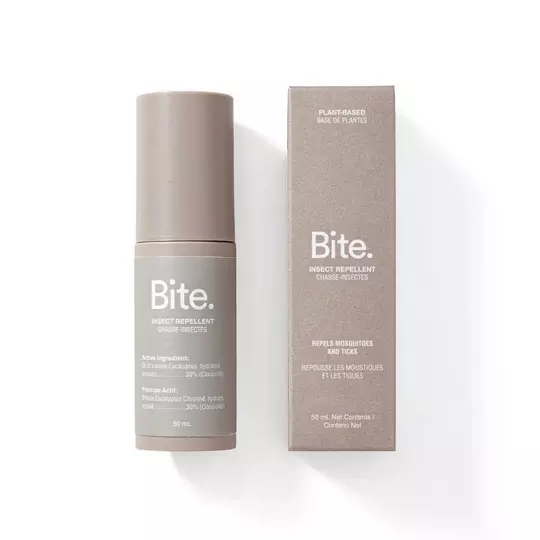
Few things can derail an evening faster than relentless mosquitoes, making bug protection another camping essential worth planning for. Bug repellent is the obvious first line of defence, but your clothing can help too. Lightweight long sleeves and pants provide extra coverage without feeling too warm, especially around dawn and dusk when bugs tend to be at their worst.
Finally, don’t underestimate the value of a daypack. Even if you’re only heading out for a short walk to a nearby lookout or beach, it’s the easiest way to carry an extra layer, snacks, sunscreen and water without constantly returning to camp. A comfortable daypack quickly becomes the bag you use for everything.
One last tip: leave your campsite the way you found it—or even a little better.



Checklist: What Does Every First-Time Camper Need?
Your first camping checklist doesn’t have to be complicated. Cover the basics, dress for changing weather, and you’ll be prepared for almost any summer camping trip in Canada.
Shelter & Sleep
- Tent
- Sleeping bag
- Sleeping pad
- Pillow
Camping Clothes
- Moisture-wicking T-shirts
- Fleece or lightweight insulated jacket
- Waterproof shell
- Quick-dry shorts or hiking pants
- Moisture-wicking socks
- Hat
Camping Footwear
- Trail runners or hiking shoes
- Camp sandals
Camping Essentials
- Headlamp
- Insulated bottle
- Bug protection
- Daypack
- Sunscreen
- Sunglasses
- Power bank
- First-aid kit
Have Fun Out There
Your first camping trip will probably teach you more than any article or packing list ever could. You’ll discover what you actually use, what can stay at home next time and the what the things are that you’ll never head into the woods without again.
But that’s all the joy of camping. With the right clothing, dependable footwear and a handful of well-chosen gear, you’re free to focus on the good stuff: slow mornings with a coffee in hand, afternoons on the trail or by the lake, and evenings laughing around the campfire.